
It’s the second full week of 2026, and I’m assuming y’all have your New Year’s resolutions locked in, right? Totally kidding, hopefully you’ve been able to get back into the swing of things after a long holiday!
This week we’re going to be hearing from one of our Navajo/Zion trip alums, Shylee Morrison! Shylee is a recent graduate of Union University and played women’s basketball all four years. Fun fact, just days after going on this trip she packed up and flew to Peru for another mission trip!
Take it away, Shylee!
——————–
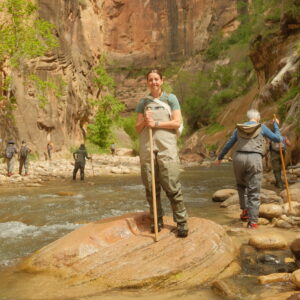
This trip was probably the most impactful experience I’ve ever had. What made it stand out wasn’t just the stunning landscapes of Zion, Monument Valley, and Horseshoe Bend, though those were unforgettable, but the people and stories I encountered along the way. Our group stayed in a remote part of the Navajo Nation, far removed from typical infrastructure, where life looks vastly different from what most of us are used to.
We were based near a small mission that operates a school with 27 children enrolled, which is actually over its intended capacity. Only four of those kids have access to running water, and two or three of them are children of staff who work at the mission. There’s a profound lack of basic resources (homes without electricity, plumbing, or even intact windows) and little opportunity for employment because of how isolated the area is. The families there rely almost entirely on government support just to survive.
What hit me the hardest was how excited the kids were to see us. For many of them, school is the only structured part of their day and their only opportunity for real interaction. When we asked what they’d be doing after school, most just said they’d go home and lie in bed or watch something on a phone, if they had one. I noticed that one kid wore the same jeans four days in a row, and no one said anything, because that’s just the reality there.
I also learned more about the systemic issues facing the Navajo people. Due to historical and political challenges, they’re unable to farm their own land freely. Even when they have natural resources, like oil on their land, the money made from that does not even go to them. Instead they can collect a cheap rent, usually $100-200, which barely makes a difference. The Bureau of Indian Affairs often manages these leases and collects royalties. It’s hard not to feel frustrated when you see the effects of long-standing injustice and corruption so clearly.
Despite all of this, there was a strong sense of community especially among the kids. It made me think deeply about what I take for granted, and how much of a difference consistent presence, care, and connection can make.
This trip changed how I see the world. It reminded me that service isn’t about fixing everything, it’s about showing up, listening, and being part of something bigger than yourself. I’ll carry this experience with me for a long time.
——————–
We are so thankful to have Shylee in the Impact Collective family! To hear more stories like hers, stay up to date with our blog posts and The Ripple, streaming wherever you listen to your podcasts!